
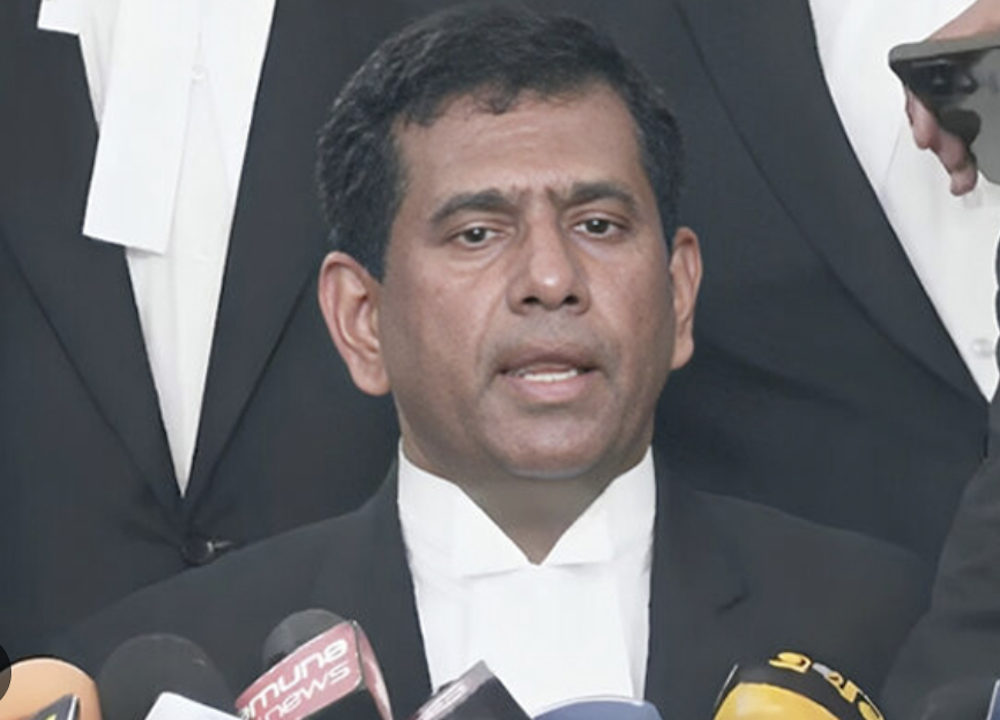
With so much currently unfolding at the Bangladesh International Crimes Tribunal — multiple trials proceeding simultaneously and two benches sitting in parallel each day — it is difficult, at least for now, to reach any definitive overall assessment of Tajul Islam’s tenure as Chief Prosecutor. There is much to commend, and much to fault.
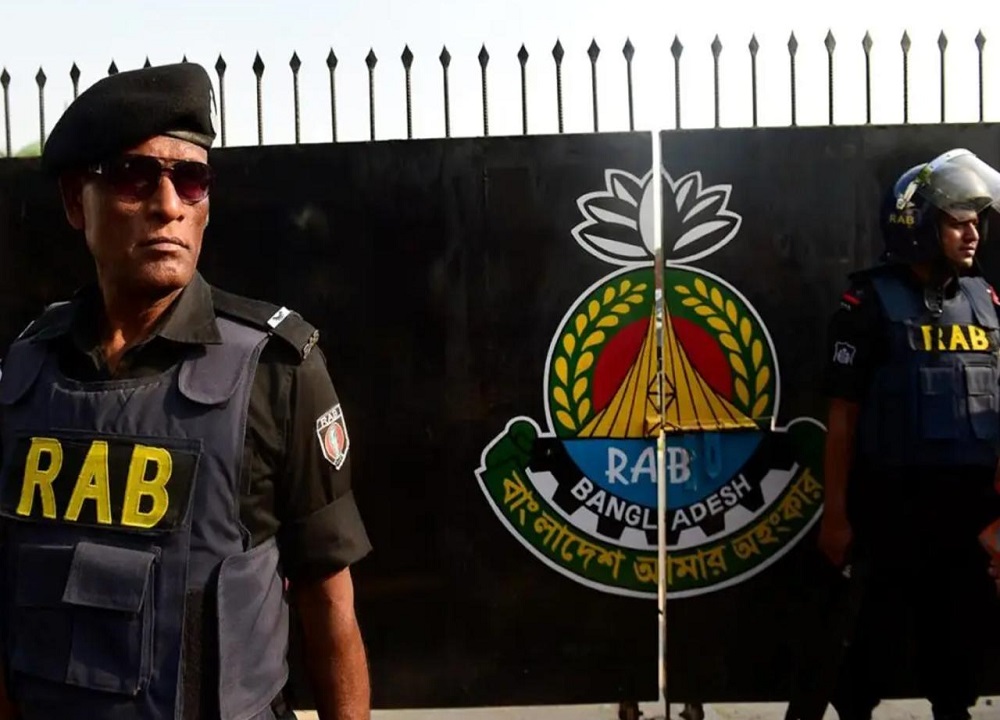
However, it is worth noting that Tajul Islam certainly deserves recognition for his role in initiating, for the first time in Bangladesh’s judicial history, trials of serving and former army officers in relation to enforced disappearances. These include cases involving officers associated with the Rapid Action Battalion (RAB) and the Directorate General of Forces Intelligence (DGFI).
Without commenting on whether the evidence will ultimately be sufficient to sustain convictions, (and I have also written earlier about how the Tribunal allowed the trials to start without defence lawyers having a copy of the charge framing order) the fact that such prosecutions were initiated at all — reportedly in the face of significant army resistance — represents a notable development for those concerned about accountability for alleged serious human rights abuses.
Credit does not just go to Tajul Islam, but also to the interim government, and especially to Muhammad Yunus, for supporting accountability of the army and not yielding to pressure. It would have been easy to do.
It is difficult to imagine that such trials would have been launched had the Bangladesh Nationalist Party been in power with a party-aligned prosecutor in place. The BNP, I don’t think, would have been strong enough to face the army down. It will therefore be important to observe closely how these cases proceed under the newly appointed Chief Prosecutor